
Brain Injury After a Car Accident: Delayed Symptoms Guide | The Cagle Law Firm

By The Cagle Law Firm | November 23, 2026 | Car Accidents, Featured, News
The Silent Injury: Why Traumatic Brain Injury (TBI) After a Car Accident Goes Undetected
Suffering a brain injury after a car accident often involves delayed and confusing symptoms. You survived a car crash and walked away thinking you were fine. There were no broken bones, no blood, and no obvious injuries. Consequently, you considered yourself lucky. You declined the paramedics’ offer to go to the hospital because you genuinely felt okay.
Fast forward two days. You cannot remember what you had for breakfast. A dull headache lingers, and you find yourself snapping at family members for no apparent reason.
Traumatic brain injury (TBI) symptoms often do not show up at the crash scene. Victims frequently dismiss their overall soreness and mental fog as simple stress. By the time you realize that something is seriously wrong, valuable time has passed. This delay damages both your physical health and your potential personal injury claim.
Contact our legal team today at (314) 276-1681 or toll-free at (800) 685-3302 to schedule your 100% free, confidential case evaluation.
How is a Brain Injury “Silent”?
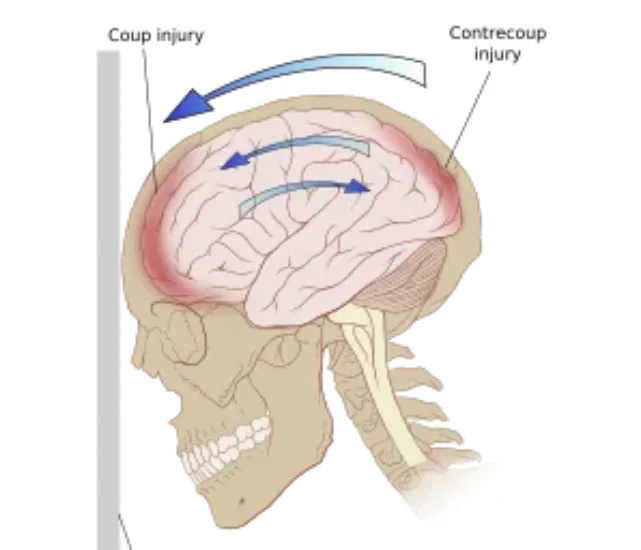
Your brain floats in cerebrospinal fluid inside your skull. During a motor vehicle collision, the sudden, violent impact forces your head to whip back and forth. Therefore, this causes your brain to slam against the hard interior of your skull. Often, it rebounds and hits the opposite side. Doctors call this a coup-contrecoup injury.
This internal damage is not as obvious as an open head wound. Swelling builds gradually over several days. Furthermore, microscopic tears in the brain tissue do not immediately present obvious physical impairments.
The Adrenaline Shield
After an accident, your body floods with adrenaline and cortisol. These chemicals trigger an emergency fight-or-flight response. Moreover, these stress hormones are incredibly effective at masking pain and cognitive deficits. Immediately after the crash, you may feel highly alert, focused, and energized.
However, as the adrenaline wears off in the hours following the crash, the symptoms hidden beneath this chemical shield begin to surface.
The “I’m Fine” Myth
Most victims across Missouri and Illinois assume they are uninjured because they can walk and talk after a crash. However, brain injuries do not work like broken bones. Because the injury occurred inside your brain, your cognitive processor is compromised. Therefore, relying on your injured brain to determine that you are “fine” is highly inaccurate.
Early Warning Signs in the First 24 to 72 Hours
The first three days after a crash form a critical window for identifying delayed TBI symptoms. You—and the people in your daily life—need to remain highly vigilant to changes in your behavior and physical comfort. Watch for these subtle but serious warning signs.
Physical Red Flags
- Persistent Headaches: This is not a mild soreness. Instead, it is a progressive pain that over-the-counter medication cannot relieve.
- Vision Problems: Blurred vision, double vision, difficulty focusing, or an unusual sensitivity to light are major red flags. If you find yourself squinting to read your phone screen, it is a strong indicator of brain trauma.
- Dizziness and Vertigo: Balance issues often appear 12 to 48 hours after an accident. You may feel like the room is spinning, or you might find yourself stumbling.
Cognitive Changes
- Memory Loss: TBI-related memory issues are persistent and tend to worsen. You may forget where you placed your keys or fail to recall recent conversations. Because it is easy to dismiss this as stress, memory loss is one of the most dangerous missed symptoms.
- Poor Concentration: If you find yourself re-reading the same paragraph without absorbing it, your brain is signaling a problem.
Emotional and Behavioral Symptoms
- Uncharacteristic Irritability: Family members usually notice this before you do. Sudden mood swings or emotional responses that seem disproportionate to the situation are classic signs of a frontal lobe injury.
- Depression and Anxiety: Feeling suddenly anxious, depressed, or emotionally flat in the days following a trauma warrants immediate medical attention.
Why Delayed Medical Treatment is Dangerous
When a brain injury occurs, every hour matters. The difference between seeking medical care at 24 hours versus 72 hours can alter the course of your life.
The Medical Danger
Untreated brain swelling can lead to secondary injuries far worse than the initial trauma. As your brain swells, it has nowhere to expand within your skull. Consequently, this creates immense pressure that can damage healthy tissue and restrict blood flow. Early intervention can be the difference between a full recovery and a permanent disability. You can read more about the severity of concussions from the Mayo Clinic.
The Legal Danger
Insurance adjusters are watching the clock. If you fail to report a brain injury in the first few days, the adjuster will argue that your injuries are not serious. Their common refrain is that if you were really hurt, you would have gone to the hospital immediately. Documentation dictates the success of personal injury claims. Therefore, a brain injury identified on day three is far easier to tie to your accident than one identified on day eight.
What to Do If You Suspect a Concussion or TBI
If you survive a collision, do not simply wait to see if it gets better. Ignoring a brain injury only compounds the damage.
- Seek Immediate Care: Visit an emergency room, urgent care center, or your primary care physician immediately. Insist on a thorough neurological evaluation. If the first provider dismisses your concerns, seek a second opinion.
- Document Everything: Start a symptom journal in the Notes app on your phone. Record the date, time, nature of each symptom, and your pain severity. Ultimately, this creates critical evidence for both your doctors and your legal case.
- Avoid Re-Injury: After a trauma, your brain is incredibly vulnerable. A secondary blow to the head before the first injury has healed can cause catastrophic, permanent damage.
Common Insurance Tactics in TBI Claims
Insurance companies train their adjusters to minimize brain injury claims. Having litigated countless TBI cases, our attorneys know exactly how corporate insurers attempt to trivialize your trauma.
- The Recorded Statement Trap: Adjusters will push for a recorded statement within days of the crash. They hope to catch you in a daze saying that you feel fine. Never speak to an adjuster right after a crash.
- The Quick Settlement: An insurance company may quickly offer you a check that covers your initial ER visit. It feels like they are taking responsibility. However, it is actually a tactic to close your claim before you discover the lifetime of medical struggles ahead of you.
- Surveillance and Social Media: Adjusters will scour your social media for photos of you living a normal life. In high-value cases, they may even deploy private investigators to record you without your knowledge.
Why You Need an Experienced Missouri & Illinois Brain Injury Lawyer
Not all personal injury lawyers are equipped to handle traumatic brain injuries. A general search might connect you with an attorney who processes minor fender-benders. However, TBI cases require a vastly different approach.
Defense attorneys will try to downplay your injury by calling it a mere concussion. While a concussion is literally a brain injury, the word sounds minor to a jury. Experienced brain injury attorneys know how to use objective testing. We coordinate with neurosurgeons and specialists to explain complex concepts to a jury.
Medical intervention and a sound legal strategy are critical. At The Cagle Law Firm, our first priority is your maximum physical recovery. The sooner your condition is documented, the better your medical providers can treat you.
Zane T. Cagle has dedicated over 20 years to advocating for victims of traumatic brain injuries. As a recognized Super Lawyer Zane provides the elite trial experience required to hold corporate insurers accountable across Missouri and Illinois.
If you are suffering from delayed accident symptoms, do not face the insurance companies alone.
Contact our legal team today at (314) 276-1681 or toll-free at (800) 685-3302 to schedule your 100% free, confidential case evaluation. (See our Case Results)
Visit Our Local Offices
We aggressively represent injured clients across Missouri and Illinois. Visit our Google My Business profiles below for directions to our physical offices:
St. Louis, MO Office: The Cagle Law Firm – St. Louis 500 N. Broadway, Suite 1605, St. Louis, MO 63102
Carbondale, IL Office: The Cagle Law Firm – Carbondale 231 W. Main Street, Carbondale, IL 62901
Contact Us Today
The Cagle Law Firm serves accident and injury clients throughout St. Louis and the greater St. Louis metro area, including St. Louis Counties of Chesterfield, Wildwood, Eureka, Ladue, Olivette, Clayton, Kirkwood, Fenton, Affton, and Jefferson Counties of Arnold, High Ridge, Antonia, House Springs, and the eastern Missouri and southern Illinois communities. If you or your family needs legal assistance with your personal injury case, call The Cagle Law Firm at (314) 276-1681 or use our online contact form to request a free case review or get more information.
Areas Served
The Cagle Law Firm – Missouri

The Cagle Law Firm – Illinois

The Cagle Law Firm – Kentucky

CONTACT THE CAGLE LAW FIRM TODAY
Request your FREE CASE REVIEW today by calling (314) 276-1681 or by sending a message through the site contact form. Your contact info stays private and is only used to reply to your inquiry.
Whether you need information about a new injury or existing injury, our lawyers answer your questions with no-risk and no followup marketing.
Free Consultations and Case Reviews
Questions? Ask An Attorney
Fields marked with an * are required

Call Us(314) 276-1681
Toll Free 1.800.685.3302


Copyright © 2026 St. Louis Personal Injury Lawyers | The Cagle Law Firm. All rights reserved.
Disclaimer | Site Map | Privacy Policy
Get a free case review with St. Louis' best personal injury lawyers to help you win top compensation